

Teas and Herbal Infusions for Autumn Lovers!
As you may have noticed in our other articles about teas and autumnal hot drinks, there are many varieties of infused beverages. Whatever your taste or needs, you can find a blend that perfectly complements this chilly season. Without further ado, let’s shine a light on today’s stars: black tea, matcha, rooibos tea, and herbal infusions!
Black Tea: The Western Classic
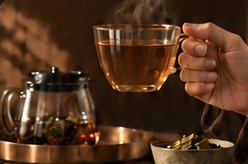
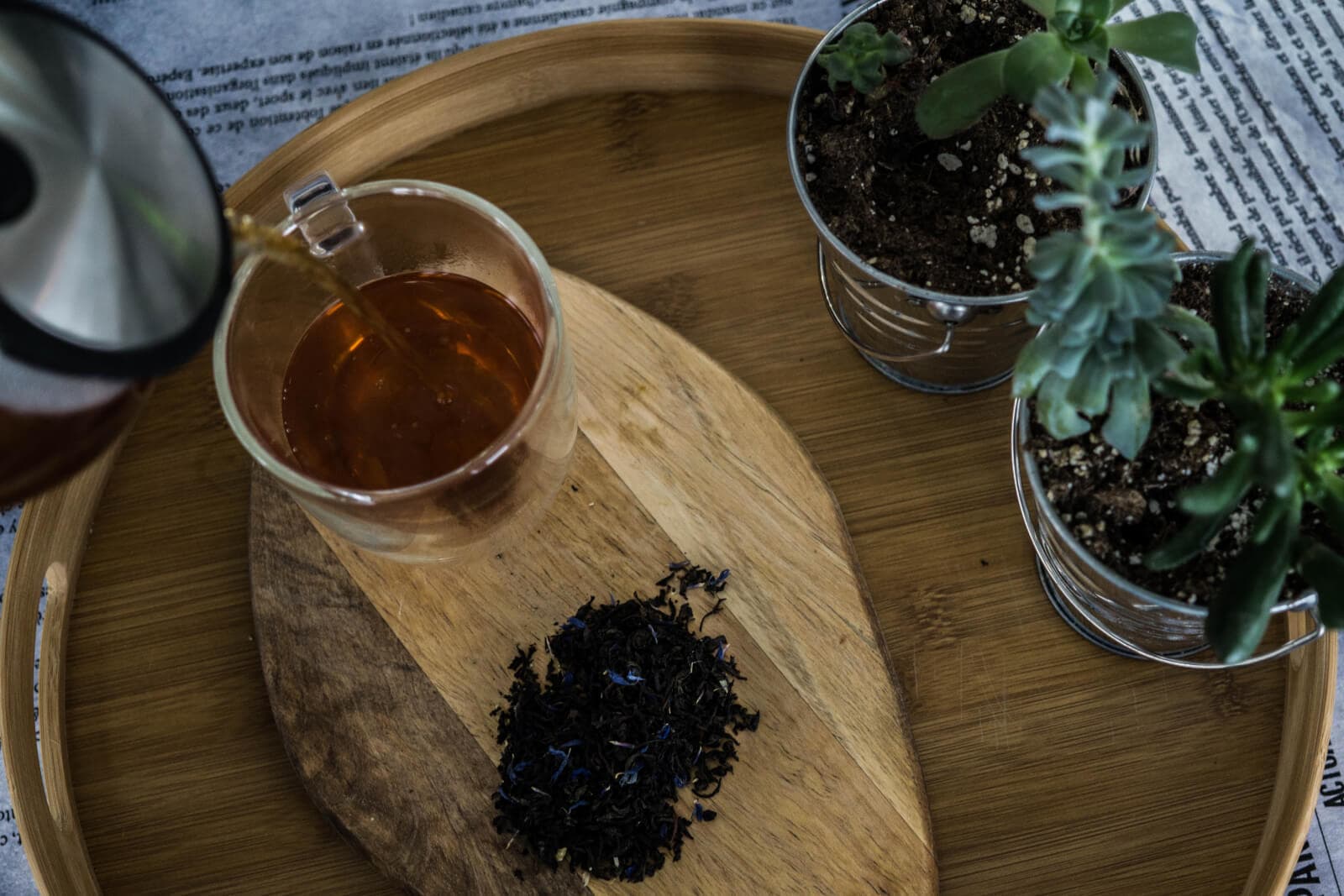
Surprisingly, although it’s not very well-known in Quebec, Westerners consume about 90% black tea. This tea variety was introduced in Europe in the early 17th century and quickly gained immense popularity in England. The British soon exported it to the far corners of their empire. Black tea consists of fully oxidized leaves and is characterized by velvety and smooth flavors, resulting in an amber-colored infusion.
Black tea is renowned for its high level of oxidation, which gives it its distinct dark color. It has a long shelf life and contains a high level of theine—a stimulant that enhances focus. Compared to caffeine, the effect of theine is less intense but lasts longer, typically from 3 to 6 hours depending on the quantity consumed. This makes black tea the perfect companion for students and workaholics burning the midnight oil!

Matcha: Perfect for an Energy Boost
This bright green beverage is particularly popular in Asia, especially in Japan, where it has been consumed for millennia due to its properties. Matcha is famous for its ability to promote concentration over extended periods. Rather than experiencing a sudden spike in productivity, your mind becomes more attentive to details for several hours after consumption. This feature makes it the drink of choice for monks who still engage in long meditation sessions today. Additionally, matcha tea boasts record levels of antioxidants!
Rooibos Tea: Your Best Friend for Relaxation
Rooibos tea originates from South Africa, made from the leaves of the Aspalathus linearis plant. Unlike black tea, rooibos contains little to no theine, making it an ideal beverage for chilly autumn evenings. When brewed, rooibos tea takes on a distinct red color. It’s popular for its sweet taste and therapeutic properties. Rooibos tea is known for its ability to reduce the risk of cardiovascular diseases and is commonly consumed in South Africa to ease digestive issues.
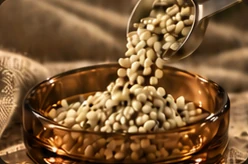
Traditionally, rooibos tea is prepared with milk. It can also be flavored with distinct tastes or even infused with seeds or hemp oil. This THC-free variety of cannabis is one of the best antioxidants in the plant world. Hemp seeds are also rich in omega-3 and omega-6 fatty acids and provide a perfect protein source containing all 20 essential amino acids. These components benefit hair, skin, and nails, aid digestion, and may alleviate joint pain caused by arthritis or cold, damp weather.
Herbal Infusions: A Tea-Like Alternative
Technically, herbal infusions do not belong to any tea family. However, they share several similarities with tea. Both are made from steeping leaves and can be flavored or enhanced with hemp. The main distinction is that herbal infusions contain no theine, unlike tea, which is derived from tea plant leaves. As a result, herbal infusions lack energizing properties.
Herbal infusions are made from a wide variety of leaves, roots, barks, flowers, or seeds, including hemp. Their effects vary depending on the ingredients. For instance, an infusion can be calming, refreshing, or therapeutic. As with tea, it’s best to store herbs in a dry place in an airtight, lightproof container. If you use glass jars, be sure to store them in a dark location to prevent deterioration.

This concludes our overview of the different tea families available to you. We hope these suggestions guide you in your quest for the perfect hot beverage. Remember, our teas are available on Maison d’Herbes’ online shop—the go-to platform in Quebec for hemp-based products!